OSM-to-Minecraft,
production-grade.
Rust-based arnis engine, BlueMap live preview, lidar and DEM elevation, Java & Bedrock export. Designed as a one-shot pipeline you hit from a browser, not a toy you have to stand up yourself.
Try it right now — no download, no signup
Downtown Chicago — Willis Tower, the Loop, the Chicago River — as a real Minecraft world, right in your browser. Walk the streets, step inside the buildings, or fly over the rooftops.
Like what you see? Pick any place on Earth next.
Create your own worldReal cities, block-for-block
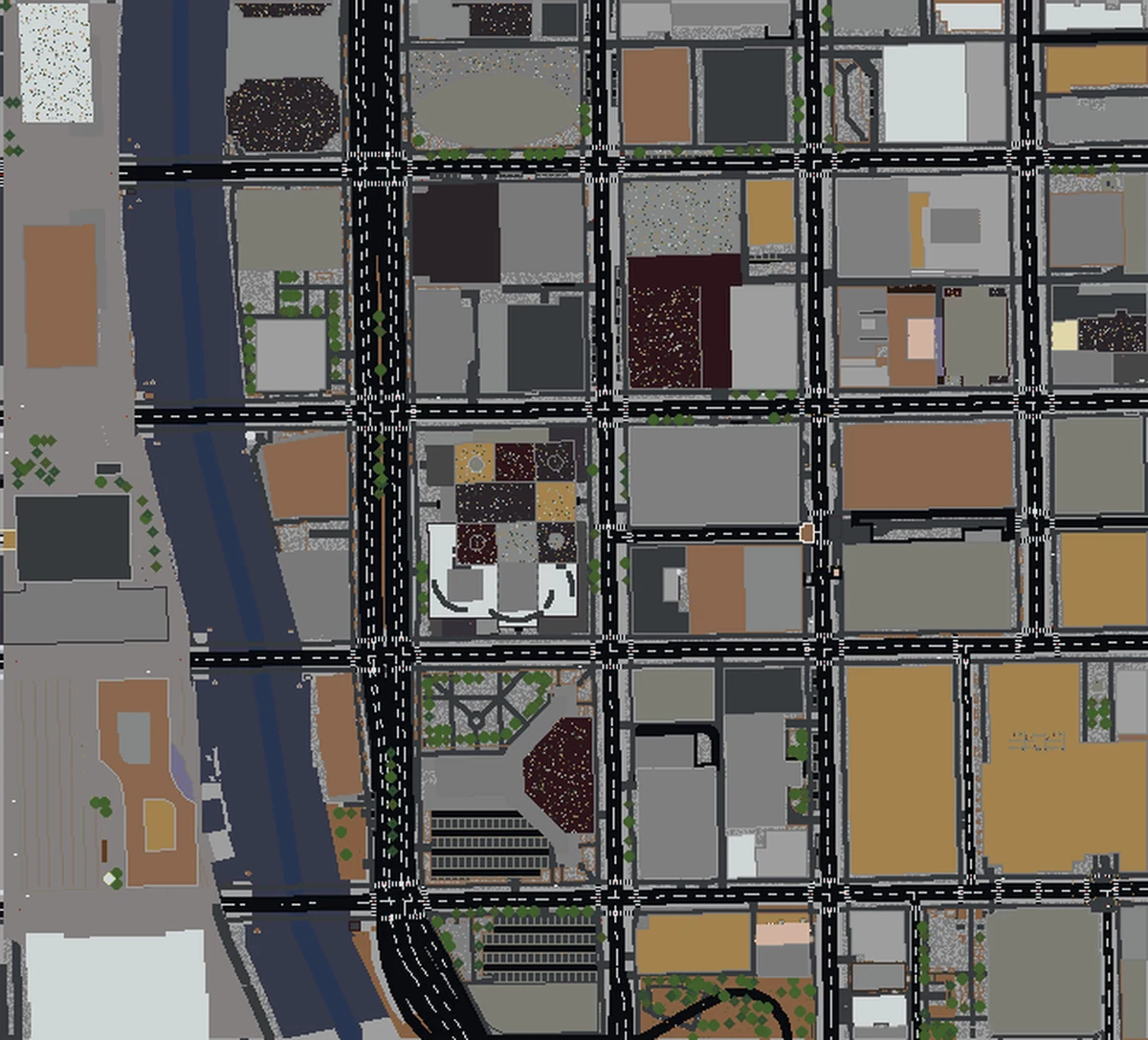
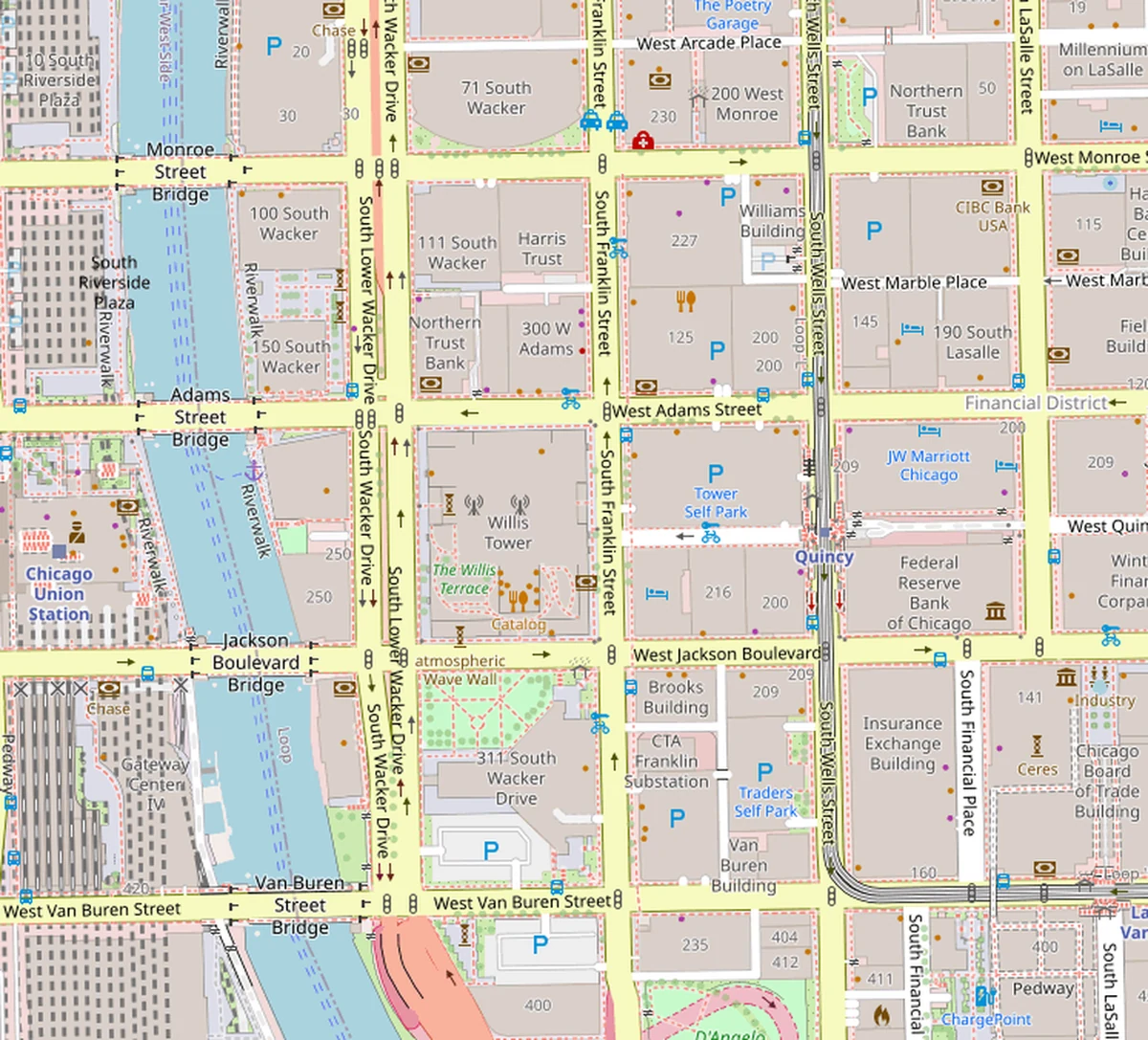
Drag the slider to compare downtown Chicago on a real map against the same area generated as a Minecraft world.
Four stages, one click
OSM extract
User selects a bounding box on a MapLibre frontend. Backend pulls the OpenStreetMap extract for that bbox — buildings, highways, natural features, waterways, amenities.
arnis generation
The Rust-based arnis engine converts OSM features into Minecraft block data: building footprints get extruded to OSM building:levels height, roads become block paths, parks become grass biomes.
Terrain bake
Elevation (USGS 3DEP lidar in the US, Mapterhorn's terrain models elsewhere) is sampled across the bbox and baked into the terrain layer, and ESA WorldCover land cover picks the surface, producing real topography — hills, valleys, coastline relief.
Preview + export
BlueMap renders a live 3D preview on a per-job port. User previews before paying. On purchase, the world is packaged as a Java save folder or Bedrock .mcworld and served.
Built on
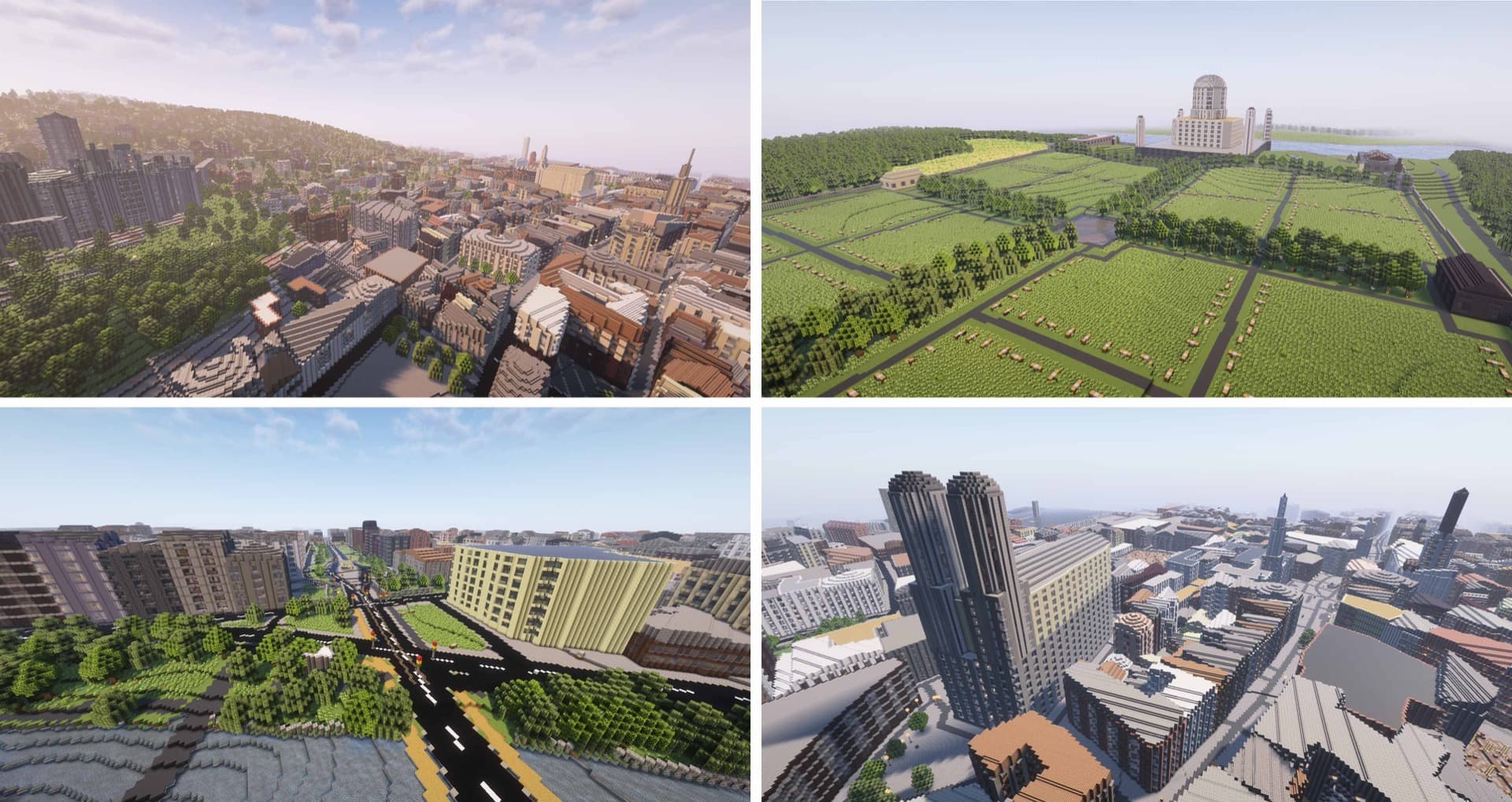
// four outputs from the same pipeline: city, park, intersection, skyline
Technical FAQ
What engine powers generation?+
Java or Bedrock output?+
How's the live 3D preview rendered?+
Data fidelity — what's lost in translation?+
Can I generate programmatically / via API?+
Self-hosting? Is it open source?+
Concurrency and limits?+
// also built for