Any city,
as a 3D block model.
OpenStreetMap building footprints, heights, and real terrain elevation — converted into a navigable 3D model you can explore at human scale. Used for massing studies, urban morphology research, and client walkthroughs.
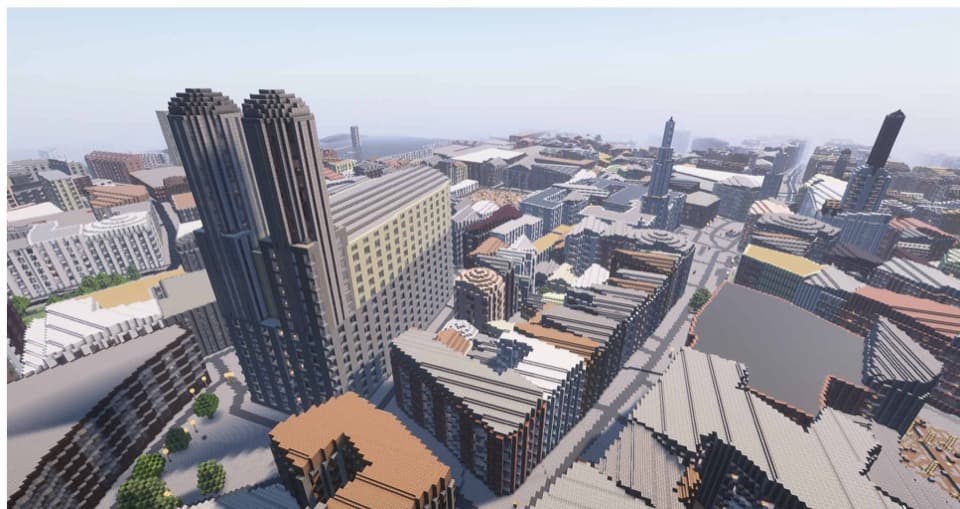
Try it right now — no download, no signup
Downtown Chicago — Willis Tower, the Loop, the Chicago River — as a real Minecraft world, right in your browser. Walk the streets, step inside the buildings, or fly over the rooftops.
Like what you see? Pick any place on Earth next.
Create your own worldReal cities, block-for-block
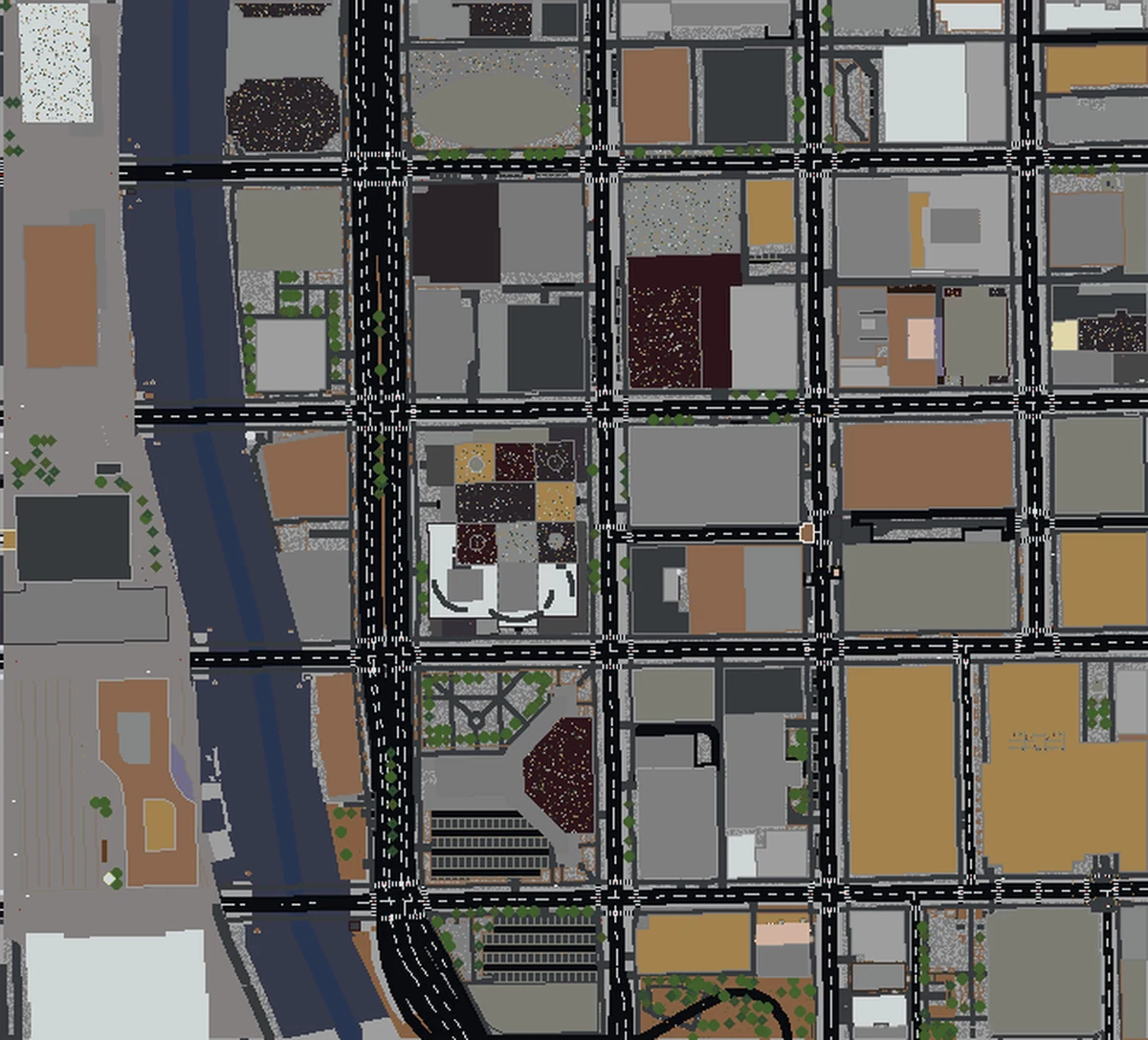
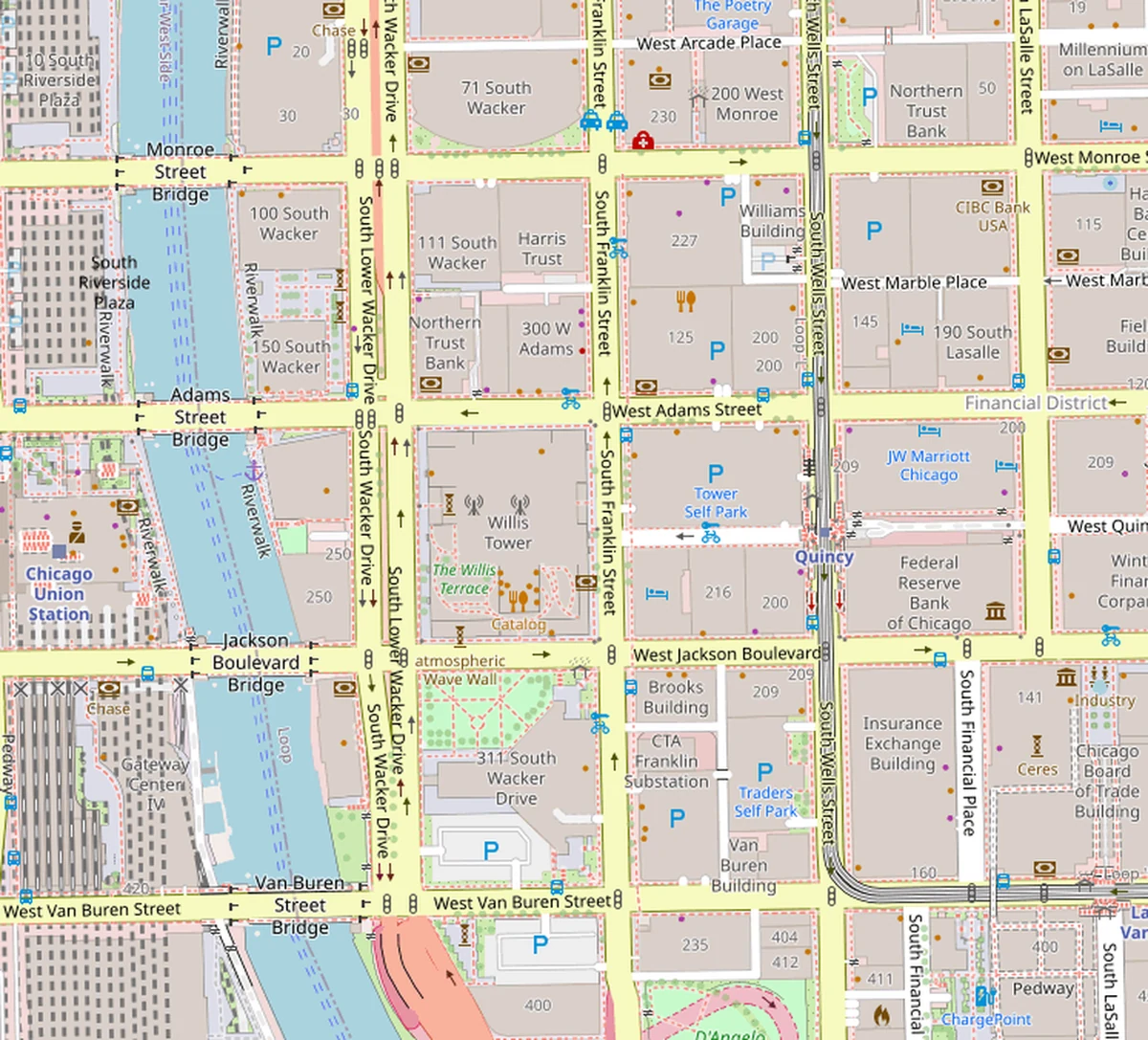
Drag the slider to compare downtown Chicago on a real map against the same area generated as a Minecraft world.
What practitioners actually do with it
The common thread: architects reach for it when they need scale understanding fast, and traditional tools are too slow or too expensive for the ask.
Massing & context studies
Drop a proposed building into its real surroundings to understand scale, shadows, and sightlines before committing to a concept.
Urban morphology research
Compare block patterns, density, and street grids across cities — Barcelona's Eixample next to Manhattan next to Paris, all in one coherent medium.
Client presentations
Walk a client through the site in first-person at human scale. Minecraft is oddly effective at communicating what a plan drawing can't.
Studio teaching
Give first-year students a navigable 3D version of a real city to analyze — no GIS license, no CAD learning curve, no render queue.
Model specifications
Technical Q&A
What's the data source and how accurate is it?+
What's the scale — is it 1:1?+
Can I export to another format (OBJ, FBX, glTF)?+
Coverage limits for a large metro?+
Does it handle topography?+
From OSM to walkable model in minutes
One-time: $5 (under 1 km²), $10 (1–5 km²) or $20 (5–25 km²). Or go Pro at $39/mo: worlds up to 100 km² and unlimited generations.
Generate a City/ Also built for